How AI is Reducing Hospital Readmission Rates and Improving Patient Outcomes:Review by itechgenai
How AI is Reducing Hospital Readmission Rates and Improving Patient Outcomes
The integration of artificial intelligence (AI) into healthcare systems represents a revolutionary shift in how hospitals approach patient care, particularly in reducing readmission rates and improving overall patient outcomes. As healthcare organizations worldwide face mounting pressure to deliver quality care while managing costs, AI has emerged as a transformative technology that addresses both challenges simultaneously. Studies demonstrate that AI-powered healthcare solutions can reduce hospital readmissions by up to 45% while generating significant cost savings and improving patient satisfaction scores.

The Critical Challenge of Hospital Readmissions
Hospital readmissions remain one of the most significant challenges facing modern healthcare systems. Approximately 1 in 5 patients are readmitted to hospitals within 30 days of discharge, resulting in approximately $41 billion annually in avoidable costs in the United States alone. These readmissions not only strain healthcare resources but often indicate deteriorating patient outcomes, increased complications, and prolonged recovery times.
The financial implications extend beyond direct costs, as healthcare organizations face penalties under programs like the Hospital Readmissions Reduction Program (HRRP), where over 200 hospitals are expected to face penalties exceeding 1% of their Medicare revenue. This economic pressure, combined with the imperative to improve patient care, has accelerated the adoption of AI-powered solutions designed to predict, prevent, and manage readmission risks.
AI-Powered Predictive Analytics: The Foundation of Prevention
Early Risk Identification Through Machine Learning
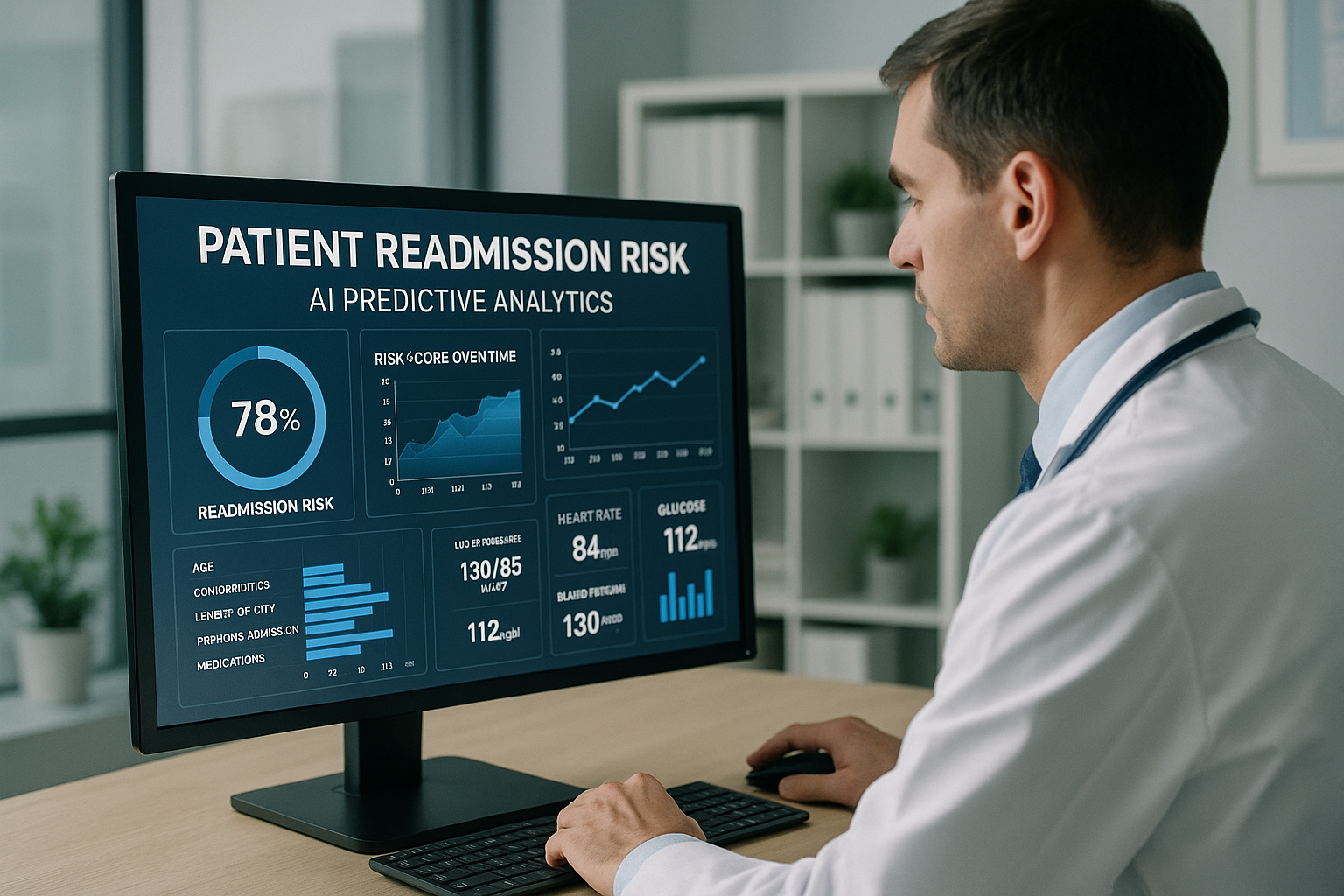
AI predictive analytics represents the cornerstone of modern readmission prevention strategies. These sophisticated algorithms analyze vast datasets including electronic health records (EHRs), lab results, vital signs, medical histories, and even social determinants of health to create comprehensive risk profiles for each patient. Machine learning models can process patterns in patient data that would be imperceptible to human analysis, enabling healthcare providers to identify high-risk patients with remarkable accuracy.
Recent studies demonstrate that AI-powered predictive models achieve Area Under the Curve (AUC) scores exceeding 0.9 in some implementations, indicating excellent predictive performance. For example, artificial neural network (ANN) models developed for patients with chronic obstructive pulmonary disease (COPD) achieved an AUC of 0.77 and resulted in a 48% reduction in readmission rates for high-risk patients through targeted interventions.Personalized Risk Stratification
AI systems excel at creating personalized risk assessments by analyzing multiple variables simultaneously. These systems categorize patients into risk levels—from low to high—based on complex patterns identified in their clinical data. High-risk patients might include those with chronic conditions, multiple comorbidities, recent discharge history, or specific social circumstances that increase readmission likelihood.
The personalization aspect is crucial because it allows healthcare providers to allocate resources efficiently, focusing intensive interventions on patients who need them most. Research shows that AI risk stratification helps hospitals predict readmissions 70% more accurately than traditional methods, ensuring appropriate care delivery to those at greatest risk.

Key AI Technologies Transforming Patient Care
Clinical Decision Support Systems (CDSS)
AI-enhanced Clinical Decision Support Systems represent a significant advancement in clinical care delivery. These systems integrate seamlessly with existing healthcare workflows, providing real-time recommendations and alerts to healthcare providers. A notable implementation study showed that hospitals using AI-powered CDSS experienced a 25% reduction in readmission rates by providing more accurate, personalized treatment decisions.
The effectiveness of these systems lies in their ability to process multiple data streams simultaneously. They can flag potential drug interactions, suggest follow-up care protocols, and identify patients who may benefit from additional monitoring—all contributing to lower readmission rates. At La Crosse Regional Hospital, an AI-based clinical decision support tool reduced readmission rates from 11.4% to 8.1% over a six-month period, representing a 25% relative reduction when adjusted for control hospital performance.
Remote Patient Monitoring and Wearable Technology
The integration of AI with remote patient monitoring (RPM) technologies has created new paradigms for post-discharge care management. AI-powered wearable devices continuously collect physiological data including heart rate, blood pressure, glucose levels, oxygen saturation, and activity metrics. This real-time monitoring enables early detection of health deterioration before it necessitates emergency intervention.
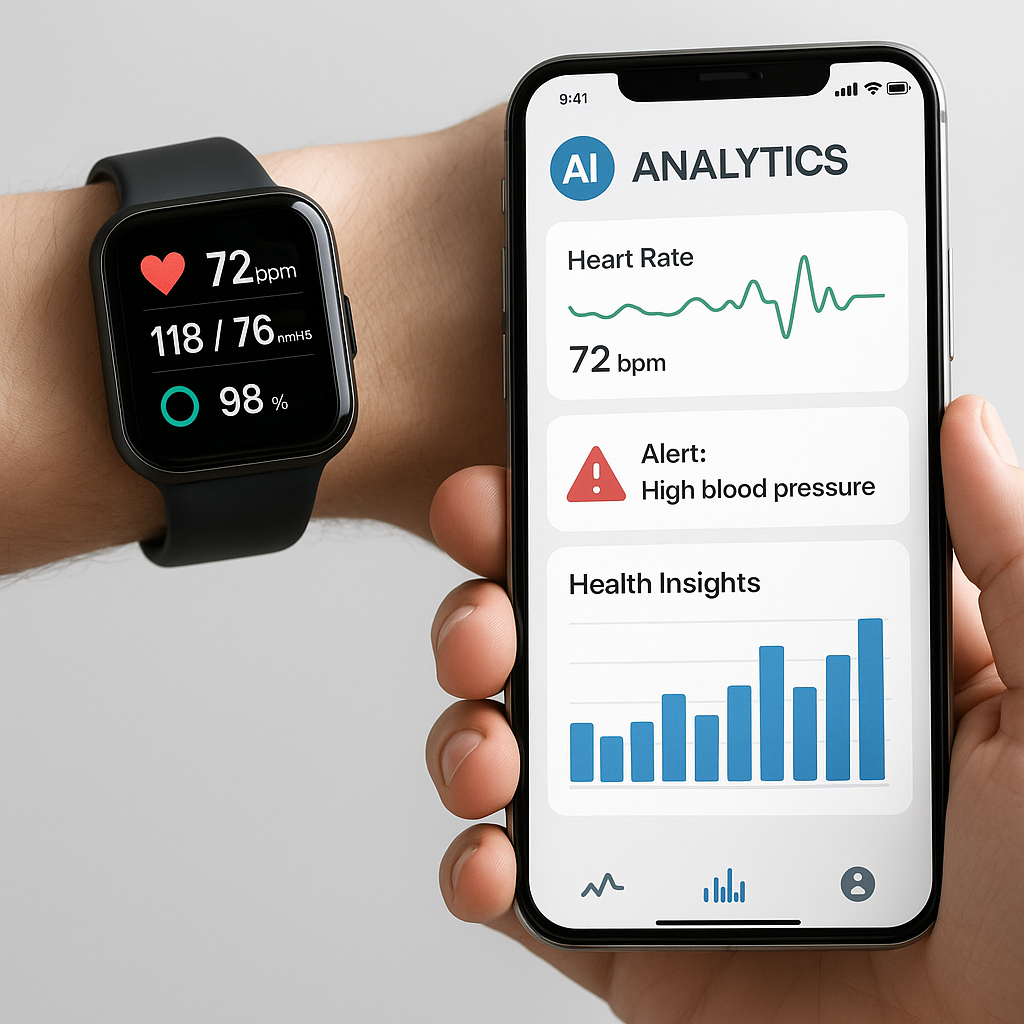
Advanced machine learning algorithms analyze streaming data from these devices to identify subtle patterns that may indicate impending health complications. For instance, AI systems can detect early signs of heart failure readmissions by tracking vital signs and medication adherence patterns. Studies show that AI-powered remote monitoring can reduce post-discharge complications by 50%, significantly contributing to readmission prevention.
Natural Language Processing and Patient Engagement
Natural Language Processing (NLP) technologies are revolutionizing patient communication and engagement strategies. AI-powered chatbots and virtual assistants provide 24/7 patient support, medication reminders, and symptom monitoring. These tools can analyze patient-reported symptoms through text or voice input, identifying concerning patterns that warrant clinical attention.
Research indicates that hospitals using AI-powered patient engagement tools report a 35% reduction in hospital readmissions as patients become more actively involved in their care management. The continuous engagement helps ensure medication adherence, appointment compliance, and early reporting of concerning symptoms.
Transformative Impact on Patient Outcomes
Enhanced Diagnostic Accuracy and Speed
AI implementation in healthcare has demonstrated remarkable improvements in diagnostic accuracy across multiple medical conditions. Machine learning algorithms can analyze medical imaging, laboratory results, and clinical data with precision that often exceeds human capabilities. Studies show AI can help clinicians diagnose conditions 15% faster while maintaining higher accuracy rates.
In cardiovascular care, AI-enhanced diagnostic systems have shown particular promise. Deep learning models analyzing cardiac imaging achieve accuracy rates comparable to expert cardiologists, while significantly reducing the time required for diagnosis. These improvements translate directly into better patient outcomes through earlier intervention and more appropriate treatment selection.
Personalized Treatment Planning
AI enables unprecedented levels of treatment personalization by analyzing individual patient characteristics, genetic profiles, treatment histories, and predicted responses to various therapeutic options. This personalized approach has been shown to improve treatment outcomes by 30-35% compared to traditional standardized approaches.
The technology facilitates precision medicine by processing vast amounts of patient data to identify optimal treatment pathways for individual patients. AI systems can predict how patients will respond to specific medications, suggest dosage adjustments, and recommend alternative treatments based on historical data from similar patient profiles.
Operational Efficiency and Resource Optimization
Beyond clinical benefits, AI implementation drives significant operational improvements in healthcare delivery. AI systems can predict patient admission patterns, optimize staffing schedules, and manage resource allocation more effectively. Johns Hopkins Hospital, for example, used AI-powered predictive techniques to assign emergency department patients to beds 38% faster after implementing their program.
These operational improvements create cascading benefits: reduced wait times improve patient satisfaction, optimized staffing reduces healthcare worker burnout, and efficient resource utilization controls costs while maintaining quality care.
Real-World Success Stories and Implementation Results
Mayo Clinic's Predictive Analytics Implementation
Mayo Clinic has successfully deployed AI-powered predictive analytics across multiple service lines, achieving significant improvements in patient outcomes and operational efficiency. Their implementation focuses on early identification of high-risk patients and proactive intervention strategies. The system analyzes patient data in real-time to predict potential complications and alert clinical teams for immediate action.
University Hospitals' Comprehensive AI Integration
University Hospitals implemented Aidoc's proprietary aiOS™ system across 13 hospitals and dozens of outpatient locations, creating a unified AI-powered healthcare ecosystem. The system enables instant access to centralized patient data and provides faster diagnosis and treatment of serious conditions like pneumothorax, aortic dissection, and pulmonary embolism. This comprehensive integration has resulted in improved patient outcomes and streamlined clinical workflows.
Boston Children's Hospital's Multi-Faceted AI Approach
Boston Children's Hospital has developed several innovative AI applications, including the POPP (Prediction of Patient Placement) model that forecasts emergency department admissions with over 90% accuracy. This predictive capability enables proactive resource coordination and significantly improves patient flow management. The hospital has also implemented AI-powered virtual nursing assistants and fine-tuned large language models for various clinical applications.
Economic Impact and Return on Investment
Quantifiable Cost Savings
The economic benefits of AI implementation in healthcare are substantial and measurable. Healthcare organizations typically see 20-40% reductions in operational costs within the first year of AI deployment. These savings come from multiple sources: reduced administrative overhead, optimized resource utilization, prevented complications, and improved operational efficiency.
Specific examples of cost savings include:
$5.5 billion annually in prevented avoidable readmissions through predictive analytics
$4 million annual savings from 20% reduction in 30-day readmissions at urban hospital networks
20% reduction in overall operating costs through AI-powered virtual assistants
Rapid ROI Realization
Healthcare organizations implementing AI solutions typically achieve return on investment within 6 to 12 months of deployment. The rapid ROI is driven by immediate operational improvements, reduced labor costs, and prevented adverse events. Studies show that healthcare providers can realize cost savings equivalent to their AI investment within six months, with continued exponential returns thereafter.
Long-term Strategic Value
Beyond immediate cost savings, AI implementation creates long-term strategic advantages for healthcare organizations. These include competitive positioning, improved staff retention through reduced burnout, enhanced research capabilities, and better preparedness for value-based care models. Organizations using AI report 25% relative decreases in readmission rates, positioning them favorably under outcome-based reimbursement systems.
Future Innovations and Emerging Technologies
Integration with Telemedicine and Virtual Care
The convergence of AI with telemedicine platforms is creating comprehensive virtual care ecosystems that provide continuous patient monitoring and real-time clinical support. These integrated systems enable proactive chronic disease management, post-surgical recovery monitoring, and mental health support, all while maintaining high levels of patient engagement and satisfaction.
Advanced Sensor Technologies and Wearables
Next-generation biosensors and wearable devices are becoming increasingly sophisticated, capable of monitoring multiple health parameters simultaneously without invasive procedures. AI algorithms are evolving to process this multi-modal data stream, providing increasingly accurate predictions and personalized health insights.
Personalized Health Insights and Patient Empowerment
AI is shifting healthcare from reactive to proactive by providing patients with personalized health insights and actionable recommendations. Mobile applications powered by AI deliver customized guidance for nutrition, exercise, medication adherence, and lifestyle modifications based on individual health data and goals.
Challenges and Considerations for Implementation
Technical and Infrastructure Requirements
Successful AI implementation requires significant investment in data infrastructure, system integration, and staff training. Healthcare organizations must ensure robust data governance, cybersecurity measures, and seamless integration with existing electronic health record systems.
Ethical and Regulatory Considerations
AI implementation in healthcare raises important questions about data privacy, algorithmic bias, and clinical accountability. Healthcare organizations must establish clear guidelines for AI use, ensure transparent decision-making processes, and maintain appropriate human oversight of AI-generated recommendations.
Change Management and Staff Adoption
The human factor remains crucial for successful AI implementation. Healthcare professionals require training and support to effectively integrate AI tools into their clinical workflows. Organizations must address concerns about job displacement and ensure that AI enhances rather than replaces human clinical judgment.
Conclusion
Artificial intelligence is fundamentally transforming healthcare delivery by providing powerful tools for predicting, preventing, and managing hospital readmissions while simultaneously improving patient outcomes across multiple dimensions. The evidence overwhelmingly demonstrates that AI-powered healthcare solutions deliver measurable benefits: reducing readmission rates by up to 45%, improving diagnostic accuracy by 15-30%, and generating substantial cost savings within months of implementation.
The success stories from leading healthcare organizations like Mayo Clinic, Johns Hopkins, and Boston Children's Hospital illustrate the transformative potential of AI when properly implemented and integrated into clinical workflows. These implementations demonstrate that AI is not merely a technological upgrade but a strategic imperative for healthcare organizations seeking to thrive in an increasingly complex and demanding healthcare environment.
As healthcare continues to evolve toward value-based care models that prioritize patient outcomes over volume, AI technologies become essential tools for achieving clinical excellence while maintaining financial sustainability. The combination of predictive analytics, remote monitoring, clinical decision support, and personalized care delivery creates a comprehensive ecosystem that benefits patients, providers, and healthcare systems alike.
Looking forward, the continued advancement of AI technologies, coupled with expanding data availability and improving integration capabilities, promises even greater improvements in patient care and operational efficiency. Healthcare organizations that embrace these technologies today position themselves not only to meet current challenges but to lead the transformation toward a more intelligent, responsive, and effective healthcare system.


Comments
Post a Comment